
Description
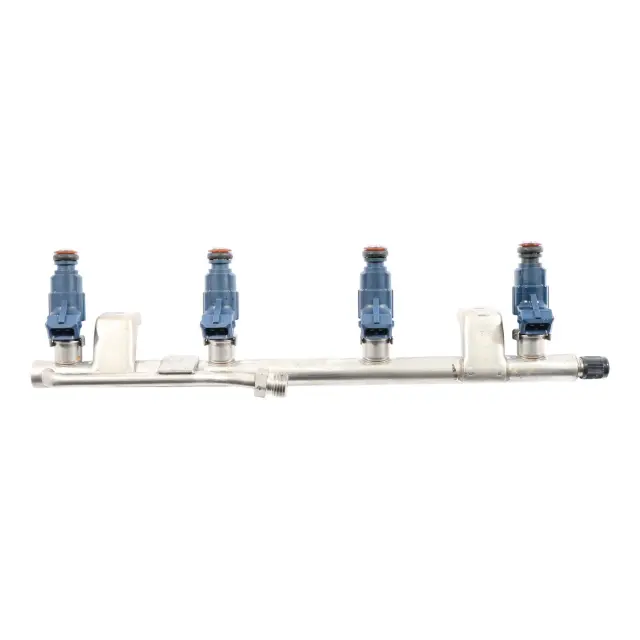
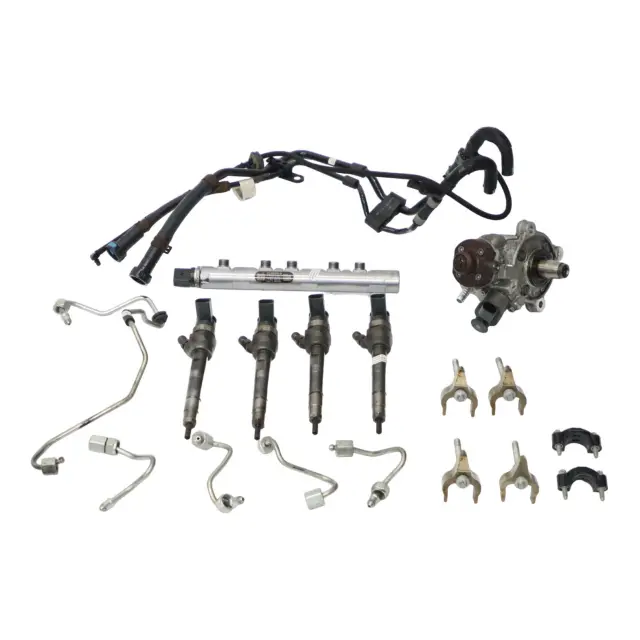
The Audi A4 B7 1.8 T BFB Fuel Rail is a component of the gasoline fuel system, designed for spark-ignition engines. It is responsible for the stable distribution of fuel to the injectors, which directly impacts the engine’s running smoothness and combustion parameters.
Specifications and technical data
- SKU: 06B133317N
- Mark: Audi
- Condition: Used
- OEM Part Number: 06B133317N
- Substitutable numbers: 06B133317N, 06B 133 317 N
- Fuel type: Petrol
- Category: Fuel Injectors
Purpose and Role in the Fuel System
The fuel rail for Audi A4 B7 1.8 T BFB operates within the gasoline system, ensuring uniform fuel supply to all cylinders. A correctly selected fuel rail helps maintain proper fuel pressure at the injectors, which translates to:
- stable engine operation across the entire RPM range,
- precise gasoline dosing by the injectors,
- more predictable throttle response during acceleration,
- maintaining the correct air-fuel mixture under varying load conditions.
This component is crucial for the proper cooperation between the engine control unit and the injection system, especially in turbocharged engines where stable fuel supply is vital for component durability.
Construction and Fit for the 1.8 T BFB Unit
The fuel rail has been designed for a specific gasoline engine configuration, meaning appropriate positioning of injector ports and fuel line connections. This allows for:
- secure seating of injectors in the rail and cylinder head,
- proper routing of fuel lines without stress,
- maintaining the factory system geometry under the hood,
- reducing the risk of leaks at connections.
Such a precise fit contributes to maintaining the engine’s factory performance parameters and facilitates diagnostics in case of potential fuel supply issues.
Used Condition and Practical Aspects
The offered fuel rail comes from the secondary market, allowing for economical repair of the fuel system while maintaining characteristics close to the original. Choosing a used component of this type is particularly beneficial when:
- the original fuel rail has suffered mechanical damage (e.g., cracks, deformation),
- corrosion or leaks have occurred within the body,
- the entire fuel supply line needs replacement along with the injectors.
A used fuel rail helps maintain consistency with the factory system, which is important for both durability and subsequent serviceability.
Benefits of Using a Dedicated Fuel Rail
Using a properly selected fuel rail in a gasoline engine brings a range of tangible operational benefits:
- stabilization of combustion parameters under various operating loads and temperatures,
- reduced risk of misfires related to insufficient fuel supply,
- better cooperation with the engine control system and fuel trim sensors,
- maintaining predictable vehicle behavior during acceleration and under load.
For workshops and private users, this means easier diagnostics, fewer returns to the service center, and more consistent measurement results during adjustments and road tests.
Audi Injector Nozzles – Selection and System Expansion
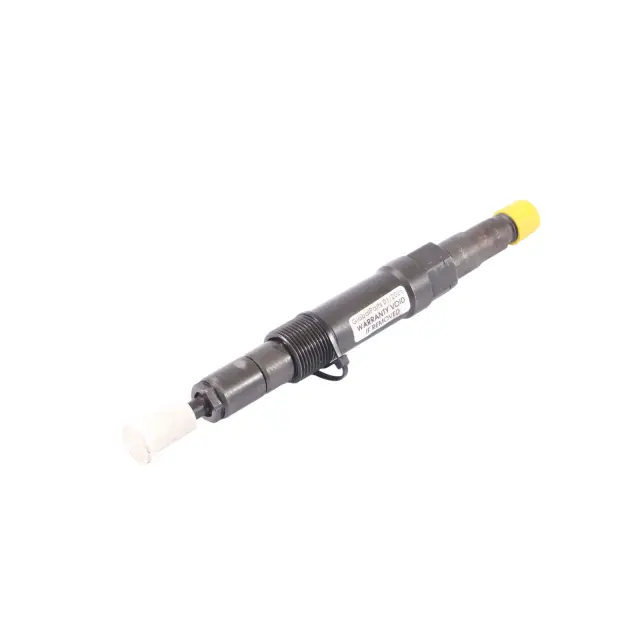
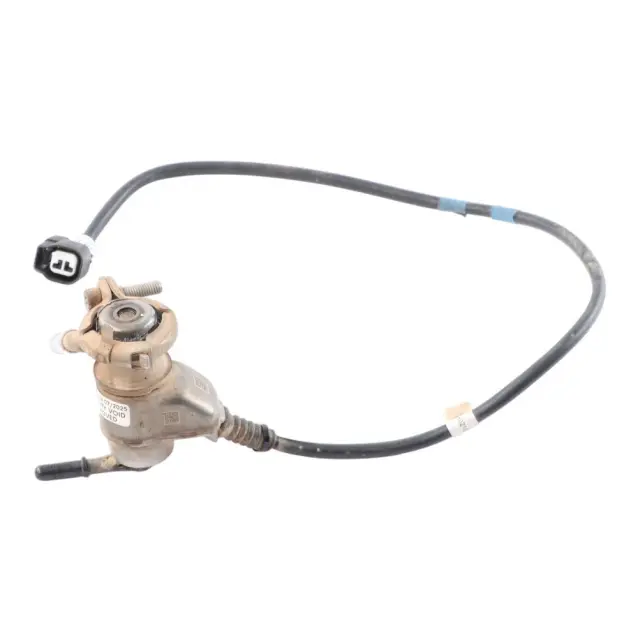
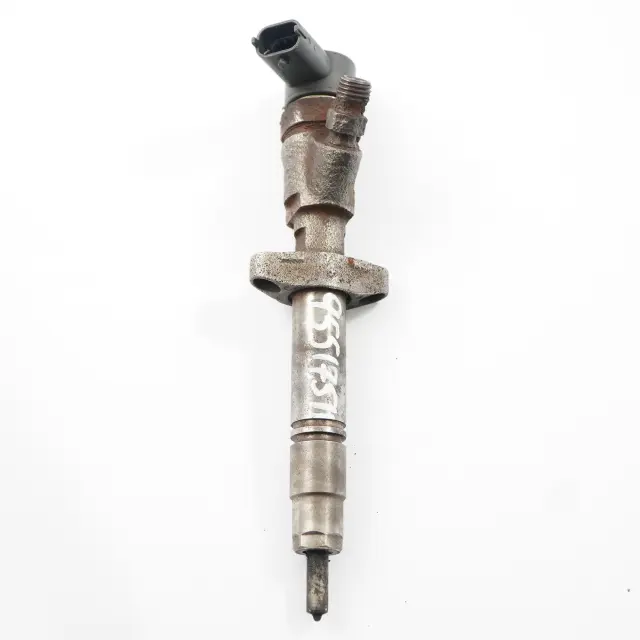
If you are planning a comprehensive service of the fuel system, it is also worth considering other components from the same group. For this model, injector nozzles are particularly important, as their condition affects fuel atomization and cylinder uniformity. If you are looking for other solutions in this category, check out the available Audi injector nozzles to select a configuration suitable for your specific engine version.
Technical Support and Fuel Injection System Operation
Although the described component pertains to a gasoline engine, the principle of operation and typical symptoms of fuel supply problems are similar to solutions used in diesel engines. It is worth familiarizing yourself with material discussing the symptoms and consequences of neglecting the fuel injection system – practical information can be found in the article “Diesel Injector Failures – How to Recognize Them and What Their Neglect Entails”, which helps to better understand the importance of regular diagnostics and proper servicing.
For users who prioritize a conscious approach to vehicle operation and optimizing repair costs while maintaining an appropriate level of quality, material on parts recycling may also be useful. A broader context of using components from the secondary market is described in the article “Eco-Driving: Discover the Benefits of Used Car Parts”, which shows how choosing used components can combine economic aspects with environmental care.
Reviews
There are no reviews yet.