
Description
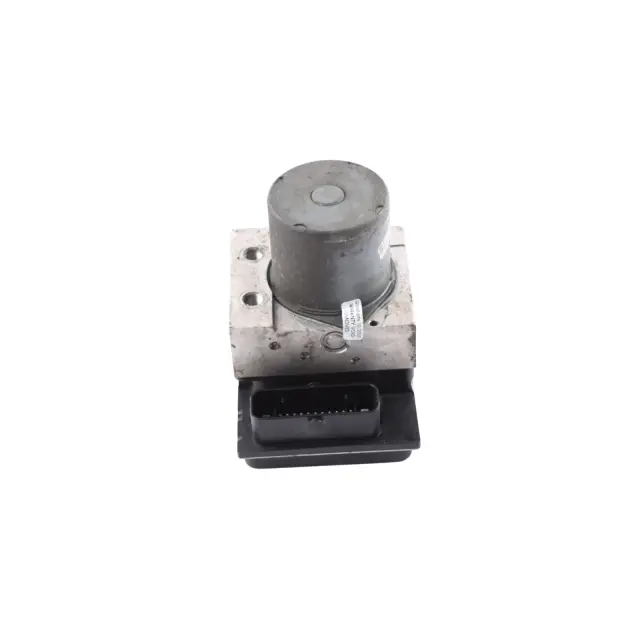
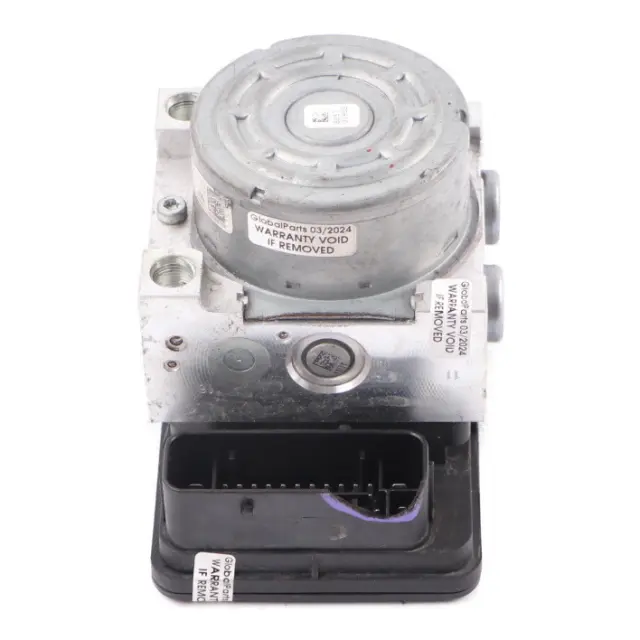
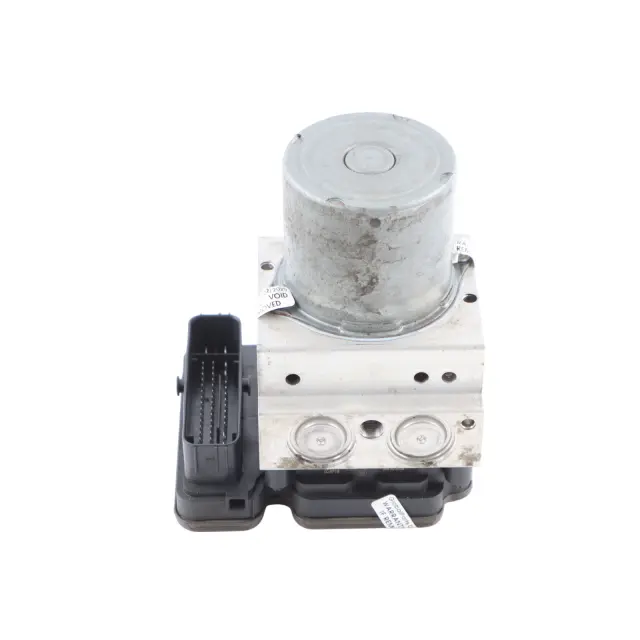
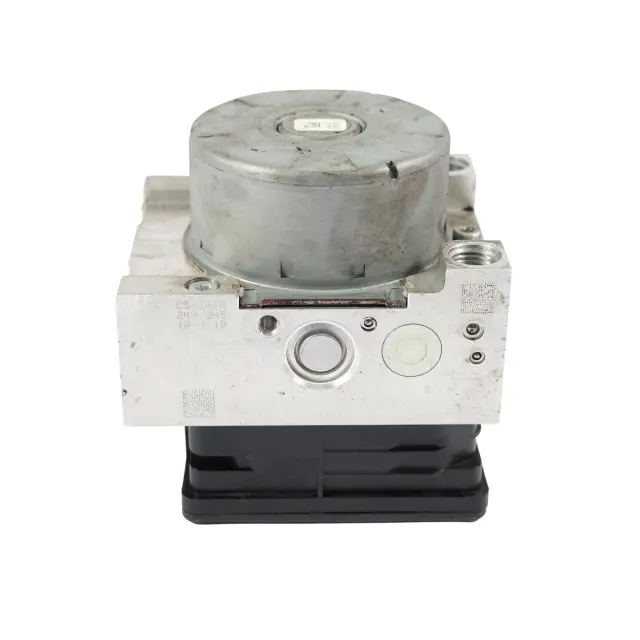
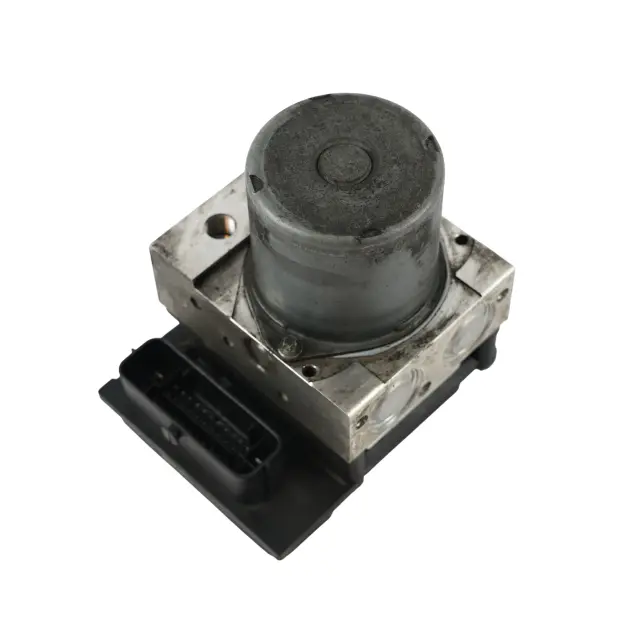
Audi A4 B8 Brake Pump ABS Module Control Braking Unit is a key component responsible for the stable operation of the anti-lock braking system and electronic stability control systems. This component from the ABS and ESP System group has been designed specifically for Audi vehicles with a gasoline engine, ensuring precise pressure control in the brake circuits and effective support for electronic safety systems.
Specifications and technical data
- SKU: 8K0907379BD
- Mark: Audi
- Condition: Used
- OEM Part Number: 8K0907379BD
- Substitutable numbers: 8K0907379BD, 8K0 907 379 BD, 8K0614517DT, 8K0 614 517 DT, 0265951467, 0 265 951 467
- Fuel type: Petrol
- Category: ABS & Stability Hydraulic Units
Purpose and function in the vehicle
The described control unit integrated with the brake pump is responsible for dynamic pressure dosing in the brake lines and cooperation with wheel speed sensors and electronic stability control systems. In practice, this means that during sudden braking or loss of traction, the wheels are electronically controlled, which reduces the risk of locking and helps maintain control over the car.
In Audi cars with a gasoline engine, a properly functioning ABS module is particularly important at higher speeds and in emergency situations where a quick reaction of the braking system is crucial. Using an original solution from the same design group allows for maintaining factory operating parameters and compatibility with the vehicle’s electronics.
Benefits of using an original ABS module
Using a factory-original Audi A4 B8 Brake Pump ABS Module Control Braking Unit brings a number of practical benefits:
- maintaining compliance with the vehicle’s factory electrical and electronic architecture,
- proper cooperation with ESP group stability control systems,
- calibrated operation relative to vehicle weight and brake characteristics,
- reduced risk of communication errors in the control unit network.
As a result, the driver receives predictable, repeatable braking system behavior, which translates into a higher level of safety and driving comfort. Consistency with the factory configuration is particularly important in modern vehicles, where the ABS and ESP system cooperates with many other onboard systems.
Operational characteristics and installation
The offered item comes from an Audi vehicle and is intended for gasoline-powered cars, which is significant when selecting parts in terms of software and operating parameters. As a used part, the module is an economical solution for users who want to restore full functionality of the ABS and ESP system without the need to invest in a new component.
In practice, installation involves mechanically seating the pump in the factory location and connecting the electrical connectors and brake lines in accordance with the manufacturer’s service procedure. After installation, it is recommended to bleed the braking system and perform computer diagnostics to verify correct communication with the vehicle’s control units.
Part selection and compatibility
To ensure proper system operation, it is worth comparing the module markings with the vehicle data and verifying compatibility with the engine and equipment version before purchase. The product has an assigned OEM part number and a set of interchangeable numbers, which makes it easier to match to a specific car configuration. In case of doubt, a good solution is to consult a mechanic or use the Audi parts catalog.
If you are planning a comprehensive repair or upgrade of the braking zone in your Audi and need other elements from the same group, such as pumps, control units, or wheel speed sensors, check the available parts in the ABS and ESP System Audi category.
Operation and service maintenance
A functional ABS module significantly affects driving safety, but it will not replace regular inspection of other braking system components, such as discs, pads, or lines. It is worth performing computer diagnostics periodically to detect any system errors and respond to any warning lights on the instrument cluster.
For drivers who want to better plan their car’s service maintenance and optimize operating costs, a guide describing the most frequently replaced components in a car may be helpful – you will find practical tips in the article TOP 10 most frequently replaced parts in your car. In the context of general care for vehicle components, including systems cooperating with control electronics, it is worth reading the material Engine cooling system – overheating, repair, and used radiators, which shows how the condition of key systems affects the durability of the entire car.
Reviews
There are no reviews yet.