
Description
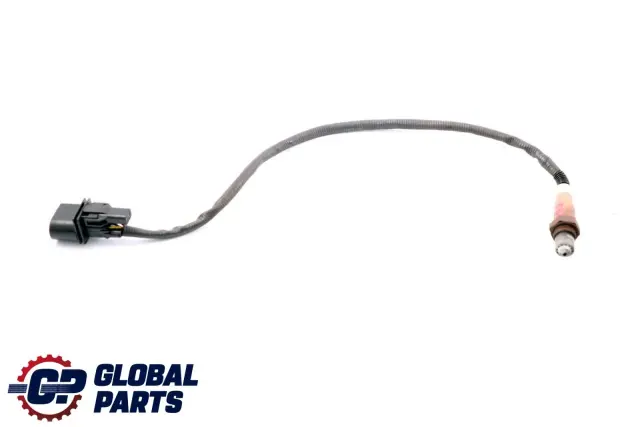
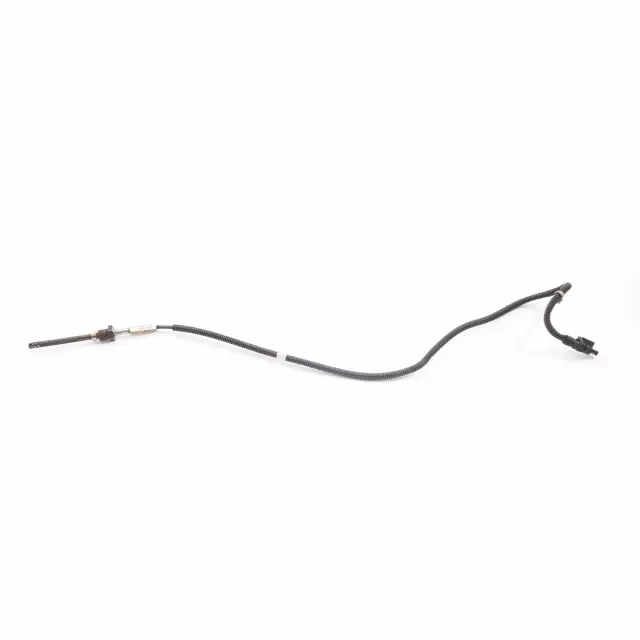
BMW 7 Series E65/E66/E67 Lambda Sensor is a precise O2 sensor designed for gasoline engines, responsible for accurate exhaust gas composition measurement and proper fuel injection system operation. As a component from the Lambda Sensors and O2 Sensors group, it supports stable engine operation, reduces fuel consumption, and helps maintain emissions compliance. A used genuine BMW part is a sensible choice for professional repair or diagnosis of the exhaust system in the 7 Series E65, E66, and E67.
Specifications and technical data
- SKU: 7516149
- Mark: BMW (Genuine OE)
- Condition: Used
- OEM Part Number: 7516149
- Substitutable numbers: 11787516149, 7516149, AS
- Fuel type: Petrol
- Color: Grey
- Category: Oxygen Sensors
Purpose and Function in the Exhaust System
The presented lambda sensor is designed to work with gasoline engines in the BMW 7 Series, generations E65, E66, and E67. The sensor measures oxygen content in the exhaust gases and sends a signal to the engine control unit, which adjusts the fuel dosage based on this information. A properly functioning sensor:
- stabilizes the fuel-air mixture composition within the stoichiometric range,
- supports efficient catalyst operation,
- reduces excessive fuel consumption,
- minimizes the risk of uneven engine running and power loss.
This ensures the powertrain maintains predictable performance, and throttle response remains smooth and consistent.
Construction and Features
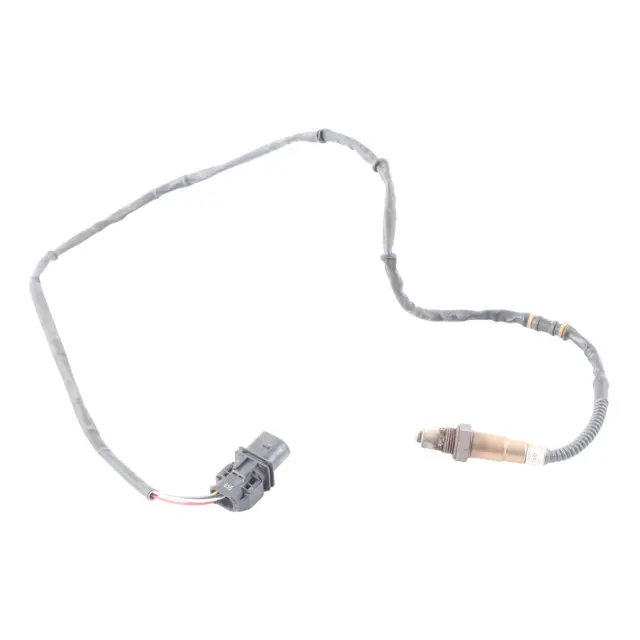
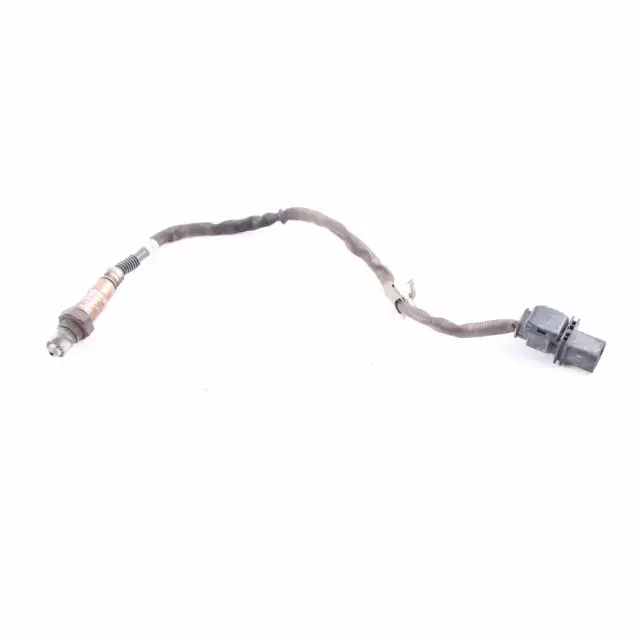
The lambda sensor is part of the measurement components installed in the exhaust system, directly in the exhaust gas stream. The grey housing facilitates visual identification of the component in the engine bay or undercarriage. The O2 sensor’s design is adapted to the operating characteristics of BMW gasoline engines, contributing to appropriate response dynamics to changes in exhaust gas composition.
The appropriately selected cable length and connector (compatible with the factory wiring of the 7 Series E65/E66/E67) allow for installation at the original mounting point without the need for wiring modifications. This solution reduces the risk of installation errors and simplifies servicing.
Benefits of Using a Genuine BMW Lambda Sensor
Using a genuine O2 sensor in the BMW 7 Series offers a range of practical operational benefits:
- Better Integration with the Engine Control Unit – the sensor’s operating parameters are tailored to the injection and ignition maps designed for this generation of powertrains.
- Reduced risk of OBD errors related to the fuel-air mixture or catalyst efficiency.
- Potential improvement in engine running smoothness at idle and under partial load conditions.
- Support for maintaining factory-specified exhaust emissions levels.
A used genuine part often offers more predictable performance parameters than inexpensive aftermarket replacements of unknown origin, which is important for advanced BMW 7 Series engines.
Selection, Diagnosis, and Installation
Before installing the lambda sensor, it is advisable to perform a full diagnosis of the exhaust system and engine control unit to confirm that the O2 sensor is indeed the source of the problem (e.g., increased fuel consumption, errors related to the mixture or catalyst). Proper part selection should consider the vehicle generation, gasoline engine type, and electrical system compatibility.
When replacing, it is recommended to:
- use appropriate tools for sensor removal,
- inspect the thread condition in the manifold or exhaust pipe,
- check the wiring harness for mechanical damage or contact corrosion.
After installation, it is recommended to clear any stored error codes in the control unit and perform a test drive, monitoring the sensor’s operating parameters with a diagnostic tester.
Expanding the Measurement System and Technical Knowledge
If you are planning a comprehensive repair or upgrade of the engine area in your BMW and need other components from the same group, such as additional O2 sensors, pre-catalyst sensors, or post-catalyst sensors, check the available parts in the BMW Lambda Sensors and O2 Sensors category.
When working with measurement electronics in modern vehicles, it is beneficial to expand your knowledge on component selection and installation principles. Practical tips regarding used modules and sensors, selection by OEM numbers, and compatibility issues can be found in the guide: Used Automotive Electronics Onboard – Why Choose Second-Hand ECUs and Sensors?
For those interested in combining economical operation with reduced environmental impact, the material on using recycled parts in tuning and servicing may also be useful: Eco-Tuning in Practice: How to Increase Performance While Reducing Your Carbon Footprint with Recycled Parts.
Reviews
There are no reviews yet.